


Are AI images sparking a new wave of unrealistic hair goals? How salons can tackle this trend
By Nicole Petty, Hair Expert at Milk + Blush
The rapid advancement of artificial intelligence (AI) has revolutionised most industries, including the hair and beauty sector. Virtual consultations, augmented reality styling, appointment scheduling and style trend predictions are all services that are becoming increasingly commonplace.
However, this new wave of digital perfection is also setting unrealistic hair goals, which is creating challenges for salons as clients are increasingly bringing AI-generated images as references for a hairstyle.
Here’s how AI has set unrealistic hair standards, how it is impacting salons and how they can address unreasonable hair goals.
Setting unrealistic expectations
While AI tools and services can increase creativity and cater to convenience, they are also setting unrealistic standards that can impact consumers and hair professionals.
AI-enhanced images often show hair that is unnaturally perfect or impossible to attain, as inspiration pictures can feature exaggerated volume, texture and colours that cannot be accurately replicated.
These flawless images often flood social media, which is where many clients will look for hair inspiration. Where AI doesn’t account for the diverse range of hair types and conditions, many people feel dissatisfied with their natural hair and compare it to what they see online.
This has helped to create an unrealistic beauty standard and put pressure on salons to deliver unachievable results.
Such impossible standards can have an impact on the mental health and self-esteem of clients.
Challenges facing salons
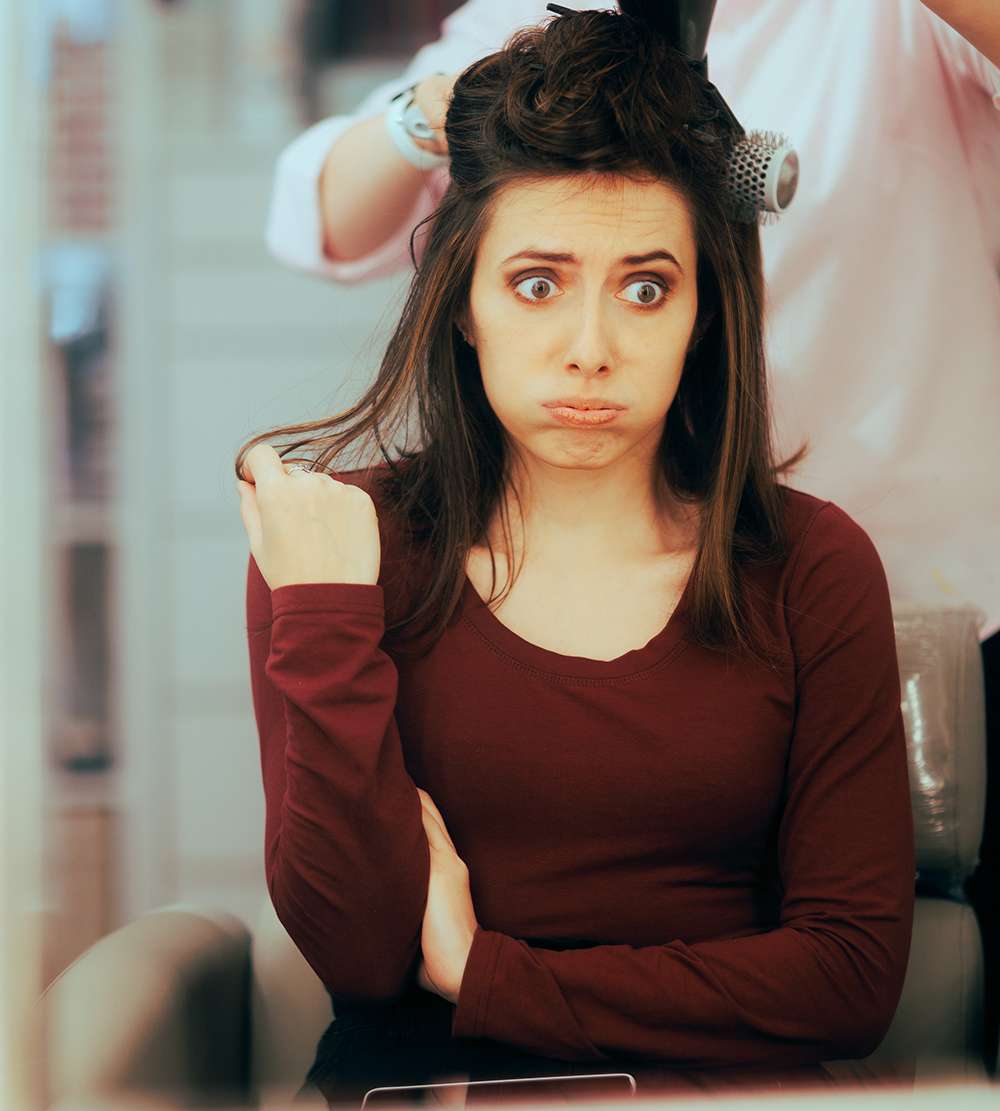
Hair professionals are increasingly encountering clients with unrealistic expectations for their hair thanks to digitally enhanced images, but these images cannot be translated into reality.
This can create a disconnect between what clients expect and what stylists can deliver, which can leave customers feeling dissatisfied and cause stress for hair professionals who feel they can’t deliver.
Salons also face the challenge of staying competitive in a saturated market, and poor client satisfaction can impact a salon’s reputation and lead to a disadvantage against competitors. As a result, the hair industry is grappling with how to balance the creative possibilities AI offers with the need to maintain realistic, achievable standards.
What can salons do to tackle AI challenges?
#1 Educate clients
Salons must emphasise the differences between AI-generated images and real-life possibilities to help clients manage expectations.
It can be surprising how few people can differentiate AI images from real ones, so during consultations and appointments, stylists should take the time to explain how AI can exaggerate certain features or point out when an inspiration picture is AI-generated.
Salons can encourage clients to bring in inspiration images but use these as starting points for a conversation about what’s possible with their specific hair type.
By setting clear and realistic goals, salons can help clients understand what is achievable with their hair specifically while providing what they want.
#2 Leverage AI effectively
When used correctly, AI can be a useful tool for salons as services virtual try-on tools can realistically simulate how a style or colour might look on a client’s actual hair to set expectations and ensure they are happy with how it will look.
AI can also be used to personalise haircare recommendations and tailor products and treatments to individual hair types and conditions, which promotes healthy hair practices and can help salons stand out with a unique service.
By focusing on AI’s practical applications, salons can enhance their services and foster a more authentic approach to beauty, ensuring that clients leave feeling confident and satisfied.
#3 Promote natural beauty and authenticity
In response to the AI-driven trend toward perfection, salons can position themselves as advocates for natural beauty and healthy hair.
By promoting styles that enhance, rather than alter, a client’s natural hair, salons can help shift the focus from unrealistic ideals to authentic beauty.
Salons may also provide guidance for clients about how to distinguish real photos from AI-created ones to avoid letting clients down by failing to meet expectations.
This approach not only encourages clients to embrace their natural hair but also reinforces the importance of hair health, which can be compromised by attempting to achieve AI-inspired looks that require excessive treatment or maintenance.


