


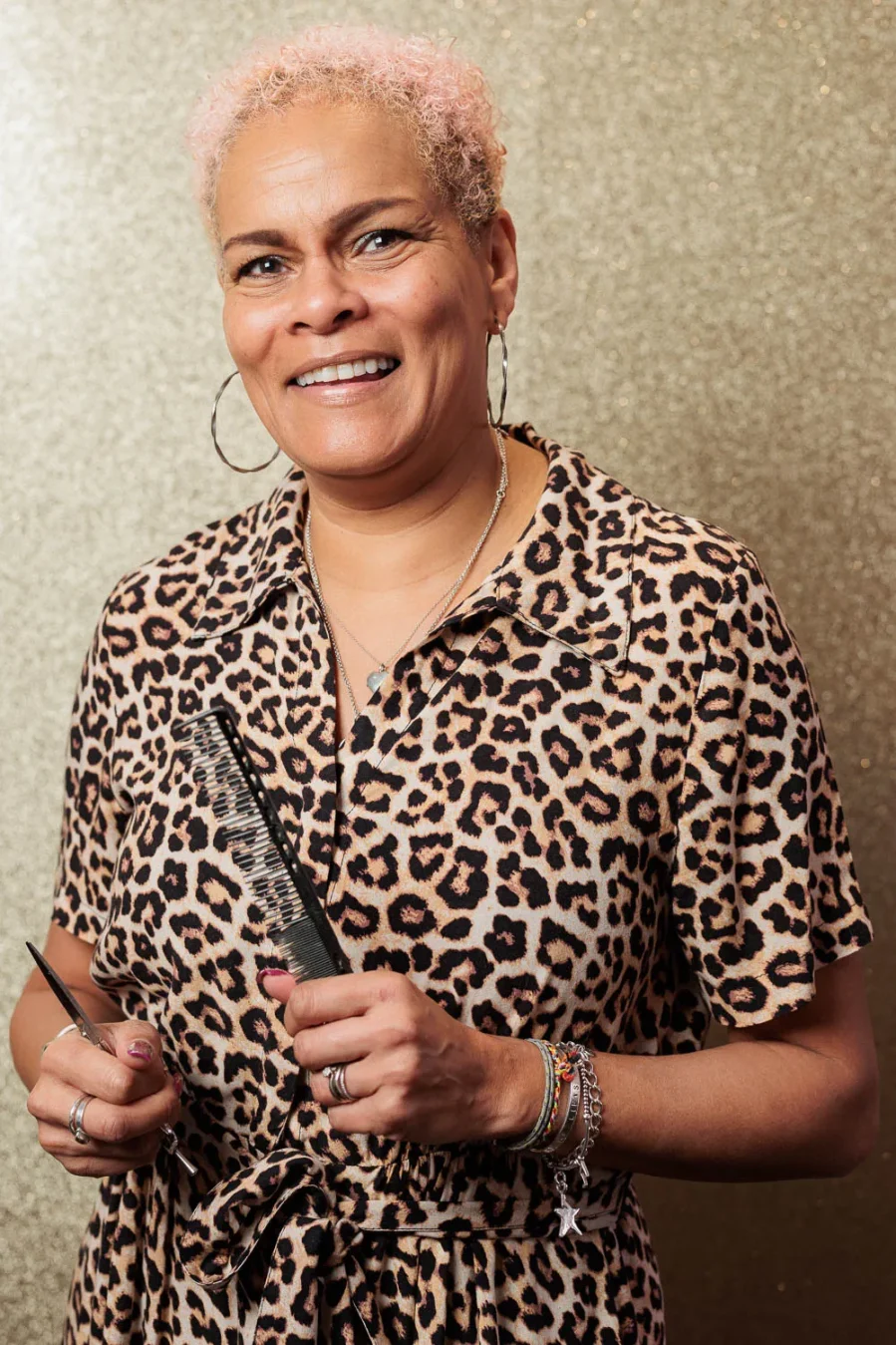
The Psychology of Texture: Overcoming Stylist Fear
Chris Grimley, Textured Hair Specialist, Founder of Texture Curl Academy
For many stylists, textured hair remains one of the most intimidating areas of hairdressing. Despite growing demand from clients seeking curls, coils, and waves, it’s not uncommon for stylists to shy away, not because they lack talent, but because they lack confidence.
“Fear isn’t incompetence,” explains Chris Grimley, founder of Texture Curl Academy and Fusion Hair Co. “It’s a signal that education is needed. Once stylists get hands-on experience and guidance, that fear disappears.”
With over 40 years in the industry, Chris has seen firsthand how the absence of structured textured hair education affects both professionals and clients. Many stylists were never taught how to work with curls and coils during their initial training, and the pressure to get it perfect on a real client can be overwhelming. “Clients expect flawless results, and when stylists don’t feel confident in their skills, it creates anxiety, which in turn reinforces avoidance,” she says.
Stylists’ fear often comes down to a combination of limited education, lack of practical experience, and industry perception. Historically, textured hair has been treated as a niche skill rather than an essential part of every stylist’s education. Chris believes this mindset is slowly changing, but the gap still exists.
“Many stylists simply haven’t had the opportunity to work with real textured hair in a supportive environment. That’s why practical, hands-on training is so important,” she says.
Chris’s approach focuses on understanding, practice, and expert guidance. Stylists start by learning to read hair patterns and understanding how curls and coils behave. They then move on to hands-on practice, building from simple styles to more complex cuts and updos. The final piece is expert feedback, the kind only an experienced educator can provide.
“By the end of our courses, stylists are not only confident in their techniques, but they’re excited to take on clients they might have previously avoided,” Chris explains. “The transformation is remarkable to watch, and it’s incredibly rewarding for both the stylist and the client.”
The payoff for stylists who embrace textured hair is significant. They expand their service offering, increase client satisfaction, and see real business growth. Perhaps most importantly, they contribute to a more inclusive salon environment, where every client feels seen and confident that their hair will be treated with expertise.
“Stylists often tell me that after training, they feel liberated,” Chris adds. “Not only can they work with texture effectively, but they feel more creative and capable overall. It’s empowering.”
The psychology of textured hair isn’t complicated; it’s about replacing fear with skill, understanding, and experience. For those looking to close the gap in their education, Chris Grimley’s Texture Curl Academy provides practical, hands-on courses designed to transform both confidence and capability.
“Every stylist has the potential to work with textured hair beautifully,” Chris concludes. “All they need is the right training and a little guidance to unlock it.”


