


Scalp Care, Salon Success
Once upon a time, a salon visit was all about colour, cut, and shine. Today, more professionals are looking beyond the strands themselves — to the scalp beneath. Across the UK, stylists and trichologists are reporting a surge in clients seeking help for everything from dryness and flaking to hair loss and sensitivity. The message is clear: scalp health is no longer a niche topic; it’s at the heart of great hair.
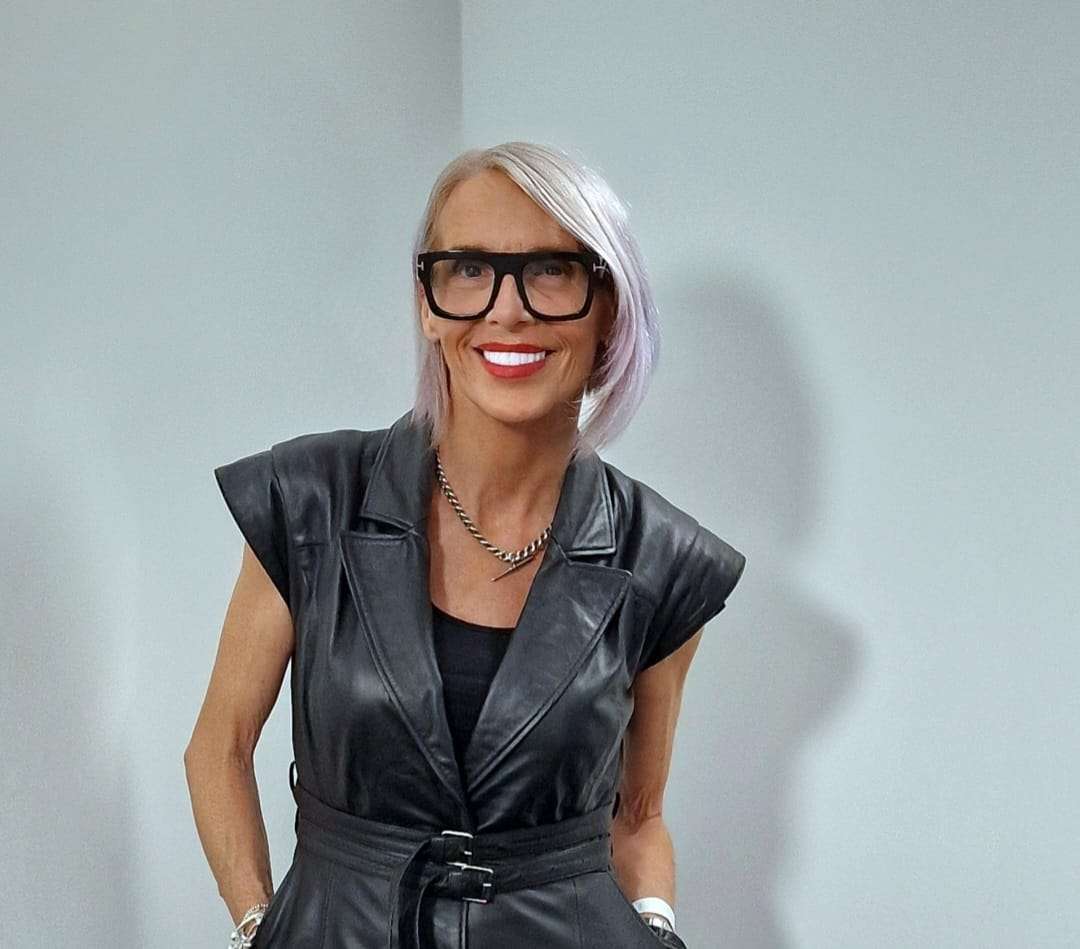
Hygiene, balance, and tailored care are now part of every serious conversation about hair wellness. As awareness grows, salons are uniquely positioned to educate clients, build trust, and deliver targeted treatments that not only improve hair condition but also reinforce loyalty. Two industry experts, Marlene Lamont, Owner and Creative Director of Urban Hair & Beauty, MOOD UK Ambassador and Artistic Team Member, and Wil Fleeson, Director of Rainbow Room International and Trichologist Scotland, share their professional insights on tackling scalp issues, guiding clients with empathy, and maintaining long-term results.
According to Marlene, the first step in any effective scalp-care routine is simply paying closer attention.
“In my salon, we see a lot of clients struggling with oily or dry scalps, flaking, and sensitivity. Often, these issues are linked to underlying imbalances, whether it’s lifestyle factors, product build-up, or individual scalp conditions,” she tells us.
Rather than rushing to apply a quick fix, Marlene emphasises the importance of thoughtful assessment. “I always start by assessing the scalp visually and through touch, asking questions about routine, diet, and stress levels. That gives a clear picture of the root cause, so we’re not just addressing symptoms — we’re treating the scalp in a way that actually restores balance.”
That same holistic approach is echoed by Wil. “The most common issues I see are excessive hair shedding, scalp irritation, and reduced hair density. In many cases, these are not isolated problems but symptoms of an underlying imbalance, whether nutritional, hormonal, or lifestyle related,” he explains.
“As a trichologist, I always start with a thorough consultation. I look at the scalp’s condition, the hair’s structure, and I ask detailed questions about health, stress levels, and diet. The scalp is often the first place the body shows signs of internal stress, so understanding the client’s overall well-being is key to finding the root cause rather than just treating the symptom.”
Together, their insights highlight a broader shift in modern haircare — one that treats the scalp as the foundation, not an afterthought.
Raising scalp issues can be tricky. Clients may already feel self-conscious or defensive about flaking or thinning hair, which makes the professional’s approach just as important as the treatment itself.
Marlene says sensitivity and reassurance are key: “I always try to make it about care, not criticism. I explain that a healthy scalp is the foundation for strong, vibrant hair, and that a few extra steps can make a real difference. I never want anyone to feel judged.”
She also finds that introducing treatments as part of a wellness journey helps remove any stigma. “I often introduce clients to the MOOD Derma Cleansing range. For example, the Pre-Shampoo Treatment with charcoal and acai extract gently detoxifies and refreshes the scalp. I present it as a treatment to support healthy hair and overall scalp wellbeing. Framing it this way helps clients feel empowered and motivated to take care of their scalp rather than self-conscious about it.”
Wil agrees that tone and empathy are everything. “It’s all about language, empathy, and education. Clients often come in already feeling self-conscious, so my goal is to create a safe, professional space where they feel supported, not judged,” he tells us.
“I always start by explaining that hair and scalp health are reflections of what’s happening within the body, and that challenges are incredibly common and treatable. Using visuals or analysis tools can help the client see what’s happening, so it feels less personal and more factual. The focus is never on what’s ‘wrong’ but on what we can do to improve their scalp health and overall hair wellness together.”
These human-centred conversations transform what could be uncomfortable into an empowering, solutions-based dialogue — and that’s what builds trust.
Scalp-focused services are becoming as integral to salons as colour glossing or conditioning masks. Both experts agree that results depend on precision, consistency, and client education.
“In the salon, I focus on targeted scalp care, cleansing, detoxifying, and gently stimulating the scalp to support healthy hair growth,” says Marlene. “I use products from the MOOD Derma Cleansing range, like the Derma Cleansing Shampoo, to help regulate sebum, manage flaking, and maintain a balanced scalp during treatments.”
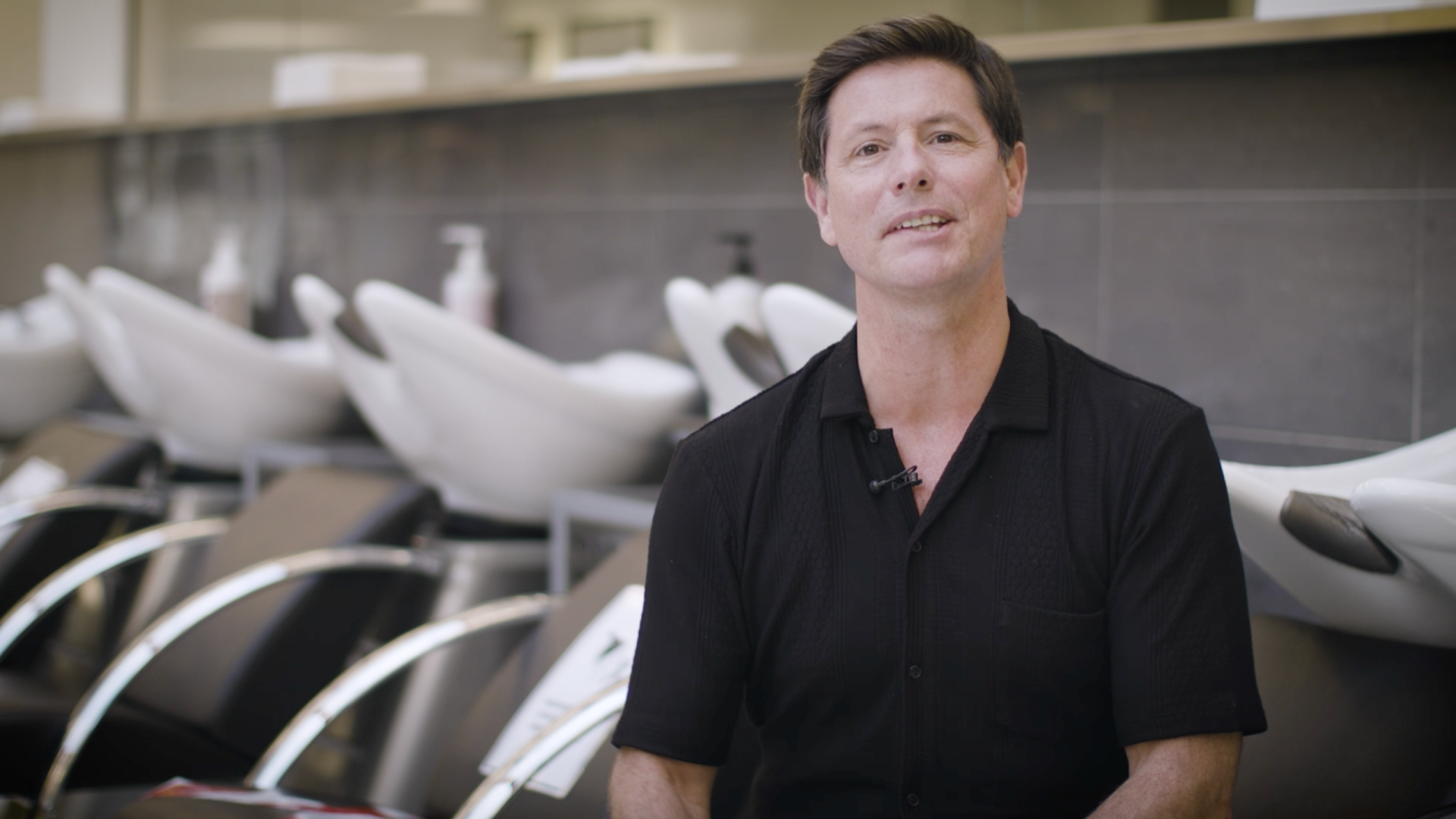
For Wil, the emphasis is on stimulation and internal balance. “Consistency is everything. In the salon, I use targeted scalp therapies that focus on exfoliation, rebalancing, and stimulation, often incorporating gentle massage to increase circulation,” he explains. “At home, I recommend clients maintain results with pH-balanced cleansers, lightweight conditioners, and scalp tonics that encourage healthy follicle activity. Just as importantly, I advise them to monitor nutrition, particularly iron, vitamin D, and essential fatty acids, as these play a huge role in maintaining strong, resilient hair growth.”
Wil adds that education is key to lasting success: “Clients need to understand why we recommend certain products or routines, so they feel empowered to take care of their scalp between visits. When they see the difference for themselves, they’re far more likely to stay consistent.”
That’s where the salon experience becomes truly transformative — not just providing a treatment, but giving clients the knowledge to sustain the benefits long after they leave the chair.
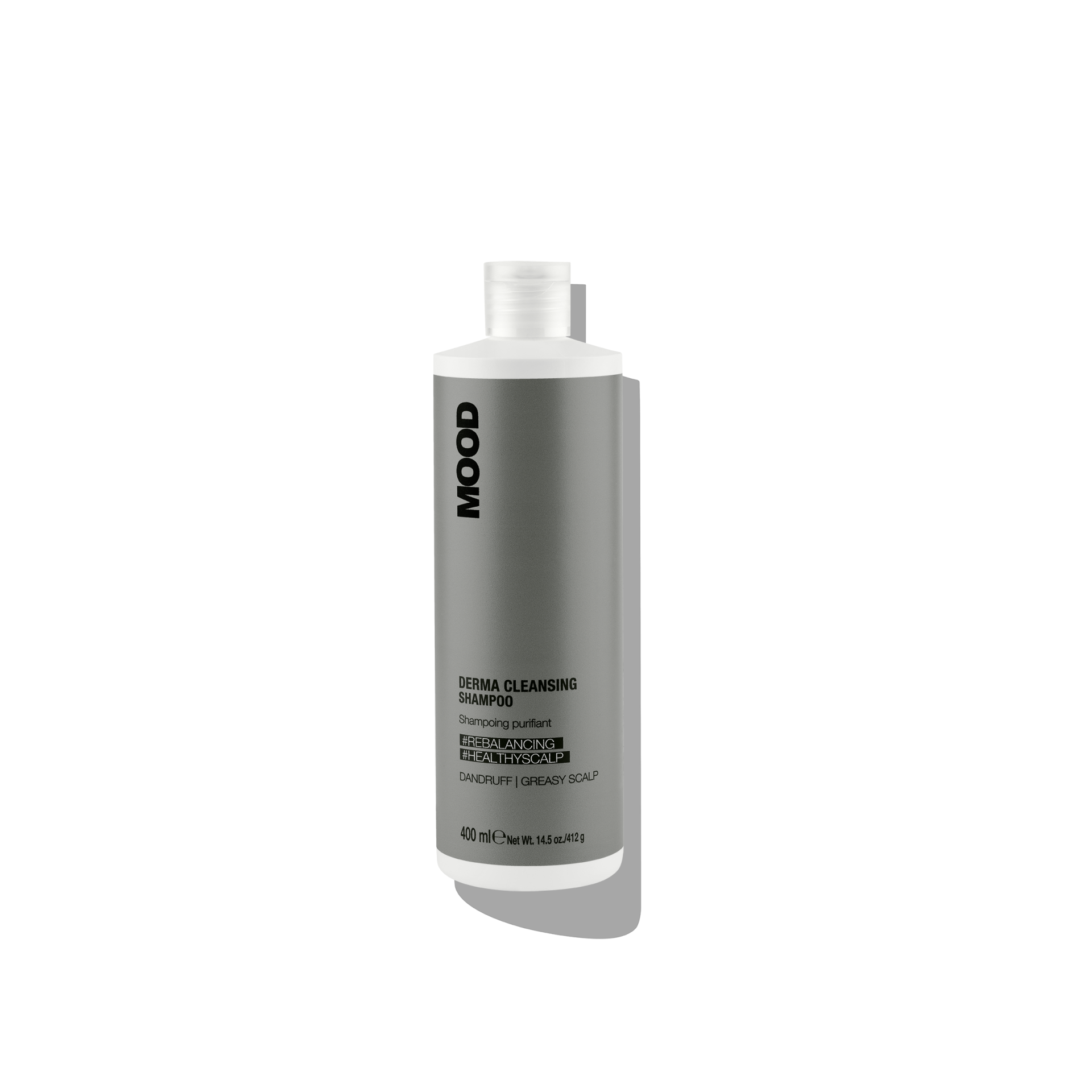 Both experts agree that the real secret to long-term scalp health lies in education and small, sustainable changes. “At home, I encourage clients to follow a simple, consistent routine,” Marlene tells us. “Understanding why each step matters, whether it’s using the pre-shampoo treatment to detox or the shampoo to cleanse, helps them feel confident keeping their scalp healthy between visits. That way, the benefits of our salon treatments last, and the hair looks and feels its best every day.”
The combination of professional treatment, at-home maintenance, and informed self-care creates a powerful cycle of improvement — and, crucially, client satisfaction. As more people recognise that beautiful hair starts with a balanced scalp, salons that champion this message will stand out not only for their technical skill but for their care and credibility.
The modern salon is evolving into a space that goes far beyond aesthetics. It’s becoming a wellness hub — one that acknowledges how stress, environment, and nutrition all show up in the scalp and hair.
As Marlene and Wil demonstrate, today’s most successful professionals combine empathy, expertise, and evidence-based care. Whether through advanced scalp analysis, targeted detox treatments, or educating clients on nutritional balance, they’re reshaping how we define healthy hair.
Because when clients understand that scalp care isn’t a luxury — it’s the foundation — they don’t just leave the salon with great hair. They leave empowered, informed, and eager to come back.


