


Best Results for Your Business
In this feature, we explore key questions around waxing preparation, aftercare, and treatment delivery and share how HIVE®’s specialist product range can help therapists prevent and resolve these everyday concerns with confidence.
While waxing remains the most popular and effective method of hair removal, it’s not without its challenges, for both clients and therapists. From skin irritation and ingrown hairs to discomfort and inconsistent results, even the most experienced professionals can encounter issues during treatments.
That’s why preparation, technique, and product choice are all crucial. By understanding the most common waxing concerns and knowing how to manage them effectively, therapists can elevate their service, boost client confidence, and ensure a smooth, stress-free experience from start to finish.
Wax Application
Creating the ideal base for waxing begins with proper skin preparation. This ensures effective hair removal, reduces the risk of irritation, and helps prevent ingrown hairs. Therapists can achieve this by following a few key steps:
Cleanse the skin thoroughly – Use a high-quality pre-wax cleanser on the treatment area to remove bacteria, sweat, natural oils, deodorants, and moisturisers. These can act as barriers, preventing the wax from adhering properly to the hair and may contribute to clogged pores if not properly removed, leading to irritation or breakouts.
Dry the area – Wax won’t adhere well to damp or oily skin. Gently pat the area dry to remove any residual moisture or product.
Apply pre-wax oil (optional) – For hot wax, a light layer of pre-wax oil protects the skin while still allowing the wax to grip hair effectively, especially in sensitive areas.
Maintain a calm and comfortable environment – A relaxed client experiences less tension, making the treatment smoother. Keep the space warm, clean, and welcoming, with clear communication throughout.
Ingrown Hairs
Ingrown hairs are common but preventable with the right aftercare. Advise clients to avoid exfoliating for the first 24 hours post-wax, then gently exfoliate 3–4 times a week using non-irritating products or a natural-fibre dry brush to prevent blocked follicles.
Wearing loose clothing after waxing allows the skin to breathe and reduce friction, especially in sensitive areas. Those with curly or coarse hairs may be more prone to ingrown hairs and should take extra care.
Lifting Skin
To avoid skin lifting, always keep the skin taut during waxing. This ensures a smooth removal and reduces discomfort. A confident and assertive approach also helps to reassure the client and minimises skin movement, helping to prevent unnecessary tugging or irritation.
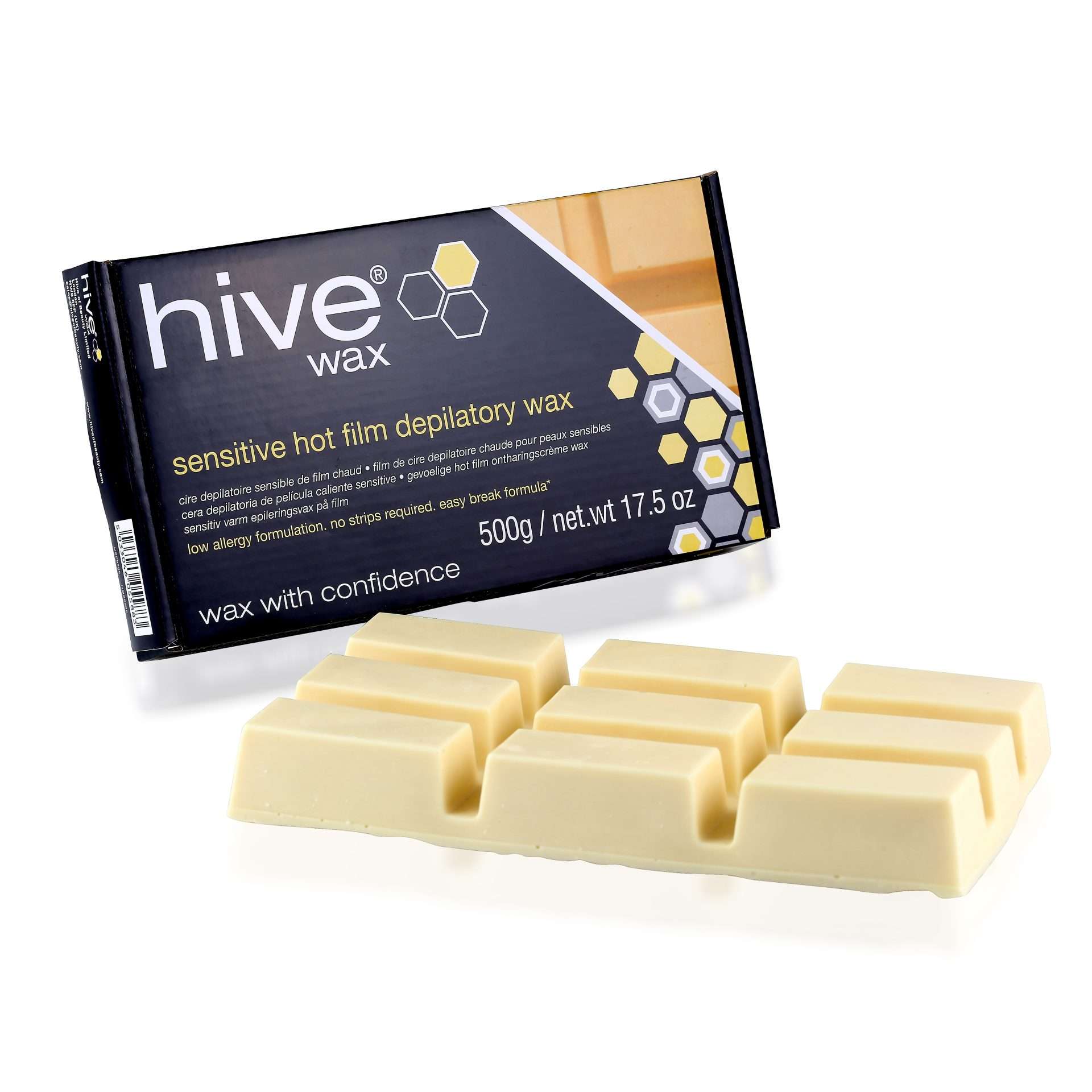
Choose the appropriate type of wax for each area of the body to protect the skin effectively. A high-quality hot wax, such as HIVE® Sensitive Hot Film Wax 500g, is ideal for sensitive and delicate areas such as the face, underarms, and bikini line.
Always conduct thorough consultations with every client before each appointment. Ask about any medications, ongoing treatments, or skincare products, especially those containing retinols or AHAs, that may increase skin sensitivity. In some cases, clients may need to pause these products before waxing to avoid adverse reactions.
Sweet Spot for Hair Length
The ideal hair length for waxing is around ¼ inch (6 mm). Roughly the length of a grain of rice. At this length, the wax can grip the hair effectively for a clean pull from the root, minimising breakage and discomfort.
Longer hair can also cause issues but can be rectified within the allotted appointment time. Therapists should use clean, sanitised scissors or an electric trimmer to bring the hair down to a suitable length.
Reducing Redness
Redness or a warm, pink appearance on the skin after waxing are normal, common reactions. For certain clients, such as those with red or very fair hair, this may appear visibly fiercer, but it is not actually any more uncomfortable and will subside within a few hours.
To minimise irritation, always test the wax temperature before application to avoid burns. Even a slightly overheated wax can irritate sensitive skin. Ensure that you are using a high quality, gentle wax. Such as HIVE® Platinum Pearl Wax, which is allergen free and ideal for clients prone to reactions.
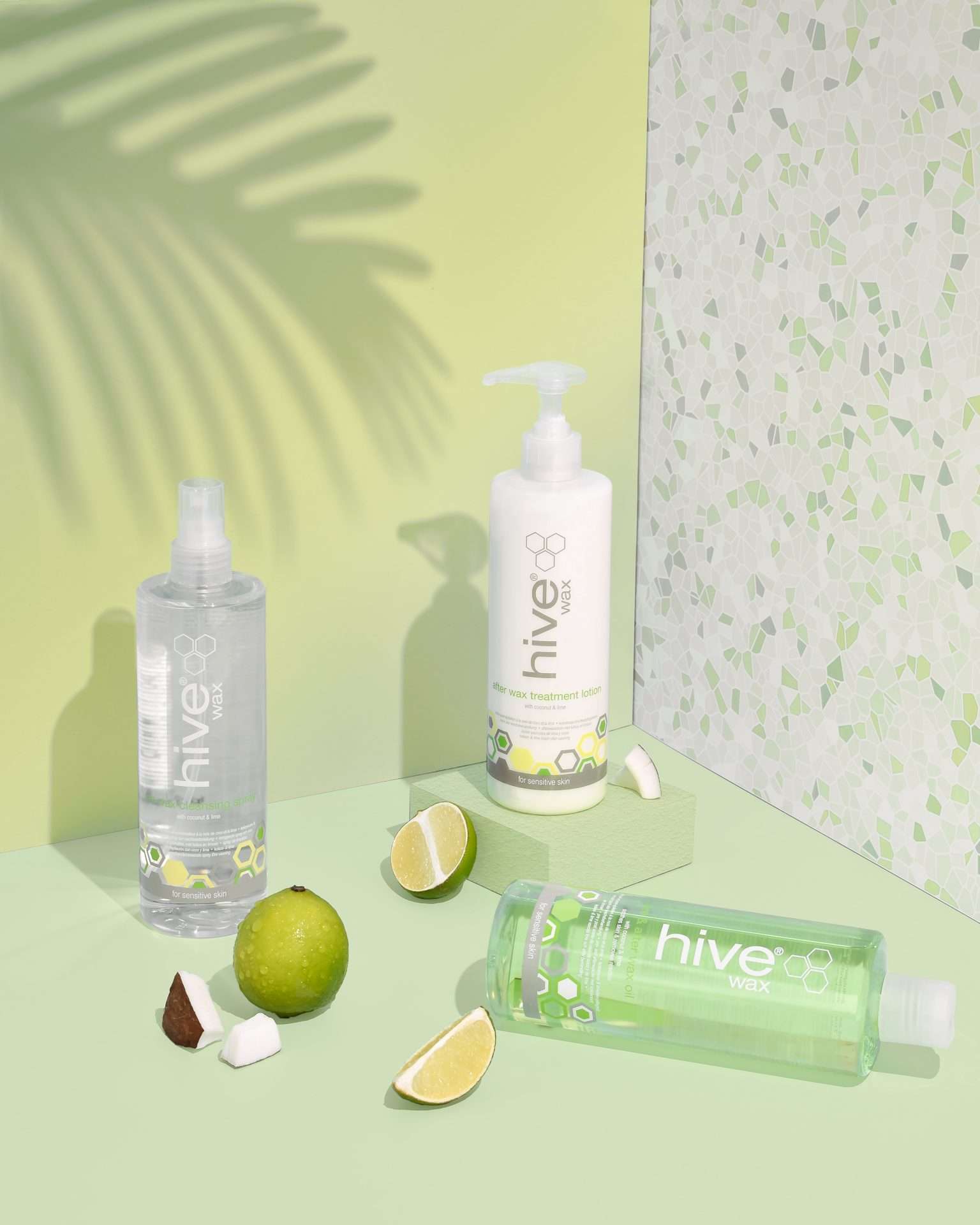
After waxing, apply a soothing post-wax product such as HIVE® Aloe Vera After Wax Calming Gel 500ml, to calm the freshly waxed area.
Avoiding Discomfort
The fear of pain is one of the biggest barriers to booking waxing treatments. A few extra steps can make their experience far more comfortable and keep clients coming back.
Timing matters – For female clients, avoid waxing around the time of menstruation, when skin is more sensitive (typically 3–5 days before and during). Encourage consistent appointments. Waxing every 4–6 weeks helps reduce discomfort over time as the hair grows back finer and sparser.
Prep the skin properly – Encourage clients to exfoliate a couple of days before their appointment. This lifts dead skin and allows wax to grip the hair, not the skin. Keep skin clean and dry. Use a pre-wax cleanser and powder to reduce moisture and friction.
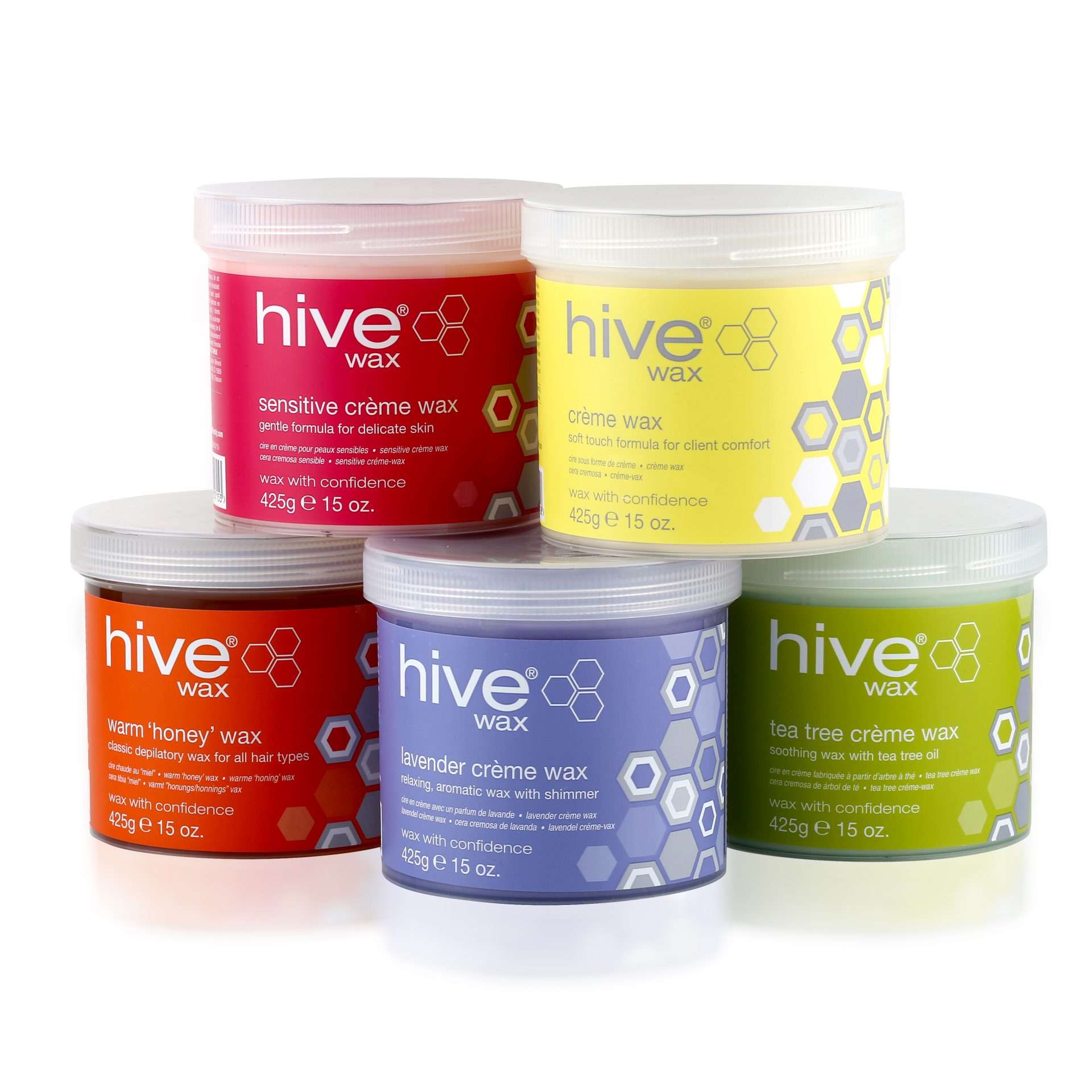
Wax selection – Hot wax (stripless) is often less painful for sensitive areas like the bikini line, underarms, or face. For larger areas, a warm or crème (strip) wax will provide a faster treatment time and better coverage. Taking into account the client’s hair and skin type when selecting wax as well, waxes with ingredients like azulene or titanium dioxide help reduce irritation.
Technique matters
Always apply wax in the direction of hair growth and remove it quickly against it, in one swift motion while keeping the skin taut.
It is also especially important to make sure the consistency of your wax is correct. For example, when using hot wax, people find their wax does not always spread brilliantly and sets quicker than expected. Hot wax should have the texture of thick, clear honey for even spreading. Apply with firm pressure to ensure it adheres correctly and sets at the right pace for effective hair removal.
Apply pressure immediately after removing the wax strip. It calms nerve endings and reduces stinging.
The Help of HIVE®
Offering a wide range of wax and treatment product options ensures that therapists can select the perfect product tailored to each client’s unique needs, helping to address common waxing concerns. Rather than using a one-size-fits-all approach, HIVE® embraces the philosophy of “a wax for everyone.”
For clients with coarse hair, there may be instances where the desired result isn’t achieved with a single pass, or the treatment area needs to be re-waxed. This can cause unnecessary skin irritation and lead to potential anxiety or embarrassment for the client. By using specialised formulations like HIVE®’s Xtra Strong Wax range, specifically designed for coarse hair, therapists can achieve optimal results with confidence, providing a smoother, more effective treatment.
For intimate treatments, clients typically prefer a quicker, more comfortable experience. Products like Sensitive Hot Film Wax, designed for this very purpose, efficiently remove even the shortest hairs without unnecessary delay or discomfort.
Find your nearest stockists or find out more at www.hiveofbeauty.com.


